Trip notes, city guides, and route ideas.
Weekly Travel Desk
Featured stories and fresh route ideas
Read one in-depth story first, then jump into city picks, food finds, and creator notes.
Spotlight Story

🌟 Why People Take Hotel Freebies: A Cultural, Emotional, and Psychological Perspective
🏨 Growing Up With Limited Means Growing up in a poor family, even the smallest luxuries felt like major achievements. I still remember the rare moments when we stayed at a hotel. At checkout, it felt natural to take s...
More to Explore
Reader Route Picks
A rolling list of practical guides, neighborhood tips, and easy itineraries.
Readers' Picks
Trending travel reads from our latest posts.
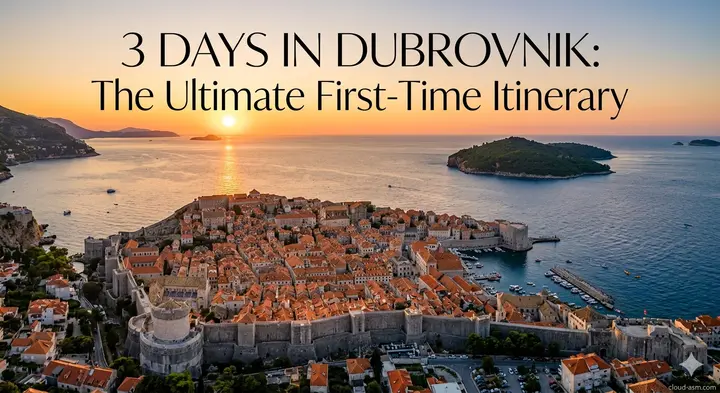
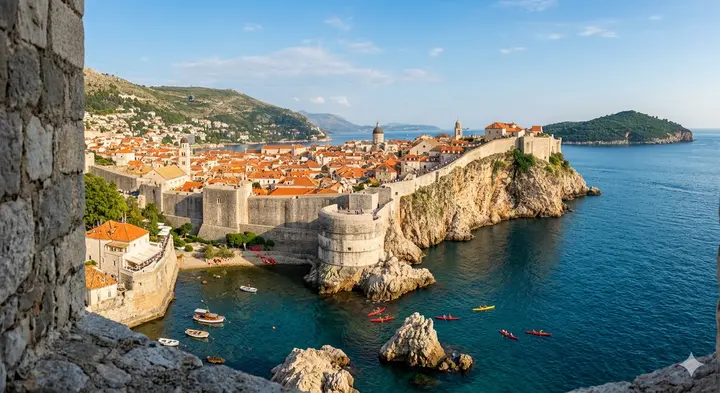
🏰 2 Days in Dubrovnik: The Ultimate First-Time Itinerary for Walls, Old Town, and Sunset Views

🗼✨【3日間】カップルで東京“冒険”旅:ネオン×江戸×未来を駆け抜ける

🌆 4 Days in Bangkok: The Ultimate Guide to the City of Angels 🇹🇭
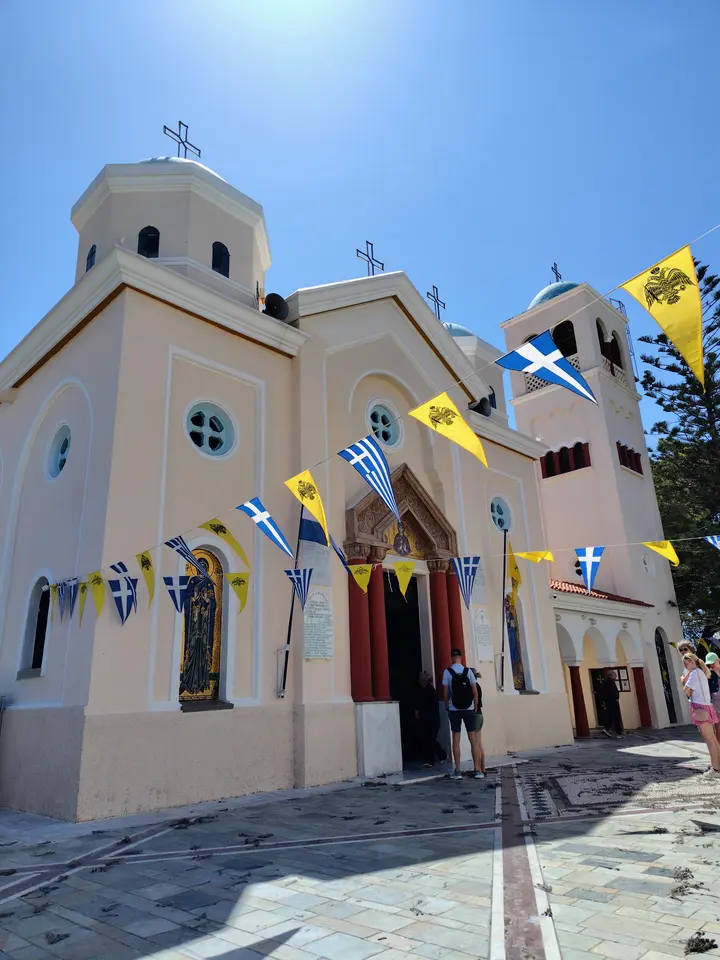
🏛️ A Perfect Weekend in Kos, Greece: Sun, History & Island Charm
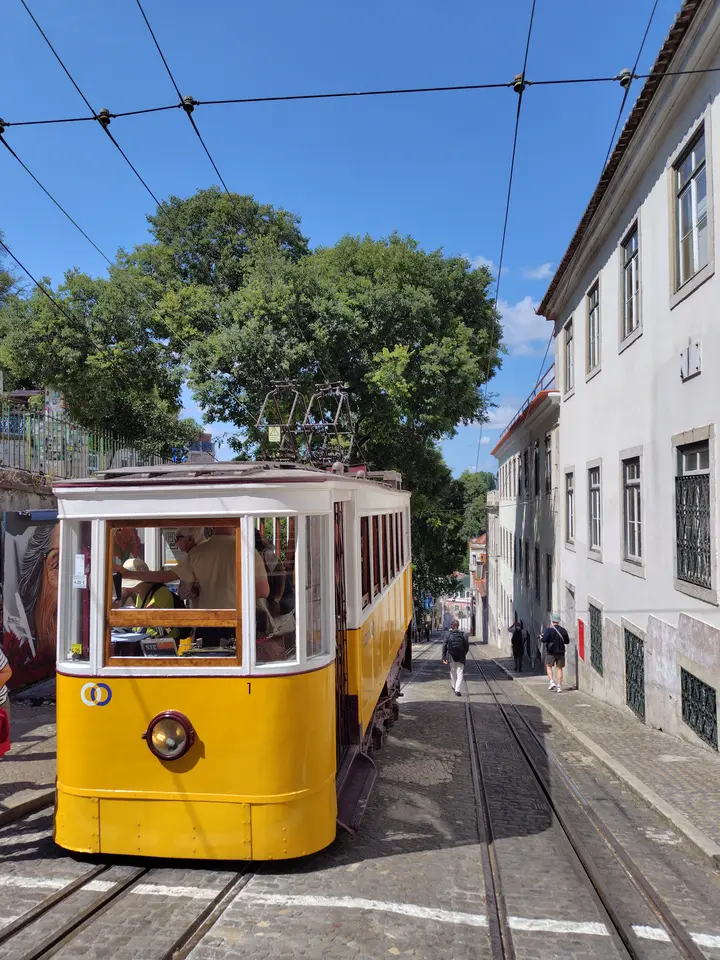
🌆 3 Days in Lisbon: The Perfect Itinerary for First-Time Visitors 🇵🇹
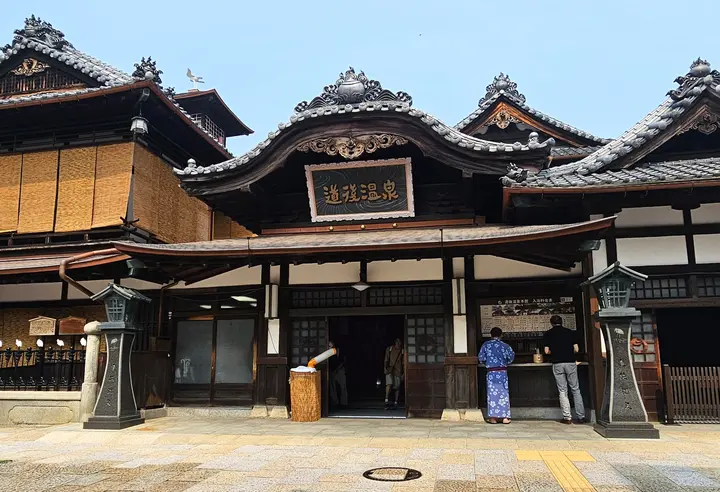
🗾 Discover Shikoku: A Storybook 4-Day Trip in Kōchi & Ehime
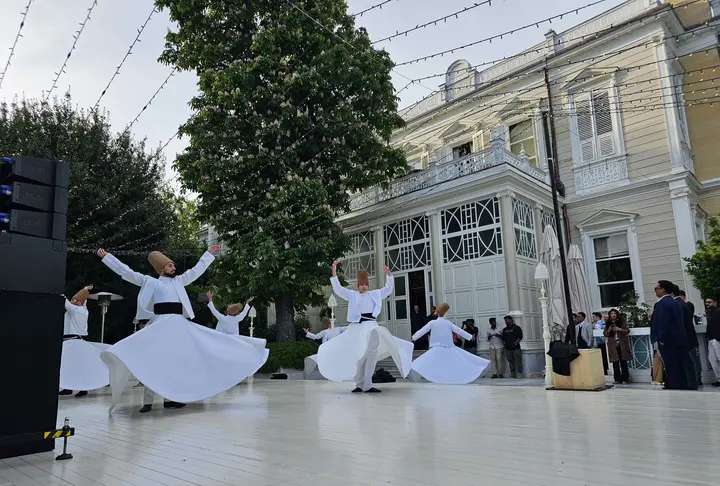
🕌 3 Days in Istanbul Itinerary (with Google Maps) – A Complete Guide for First-Time Visitors
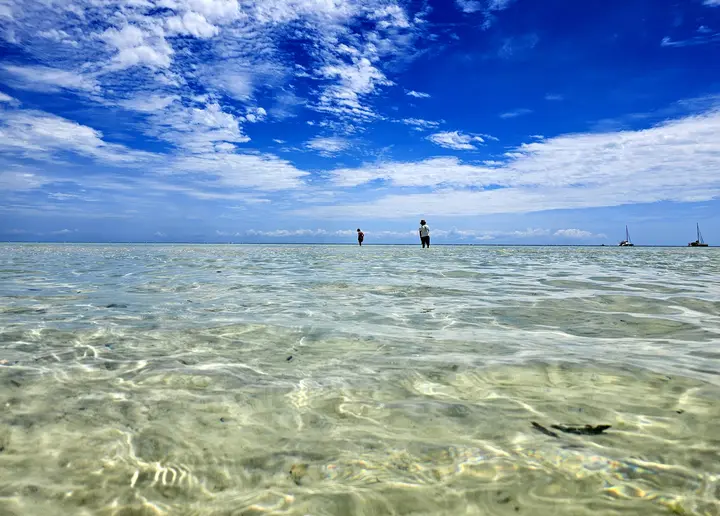
🏝️ 2-Day Beach Escapade to Camotes Island, Cebu

🛁 Japanese Public Bath - Tips for the Shy Foreigners
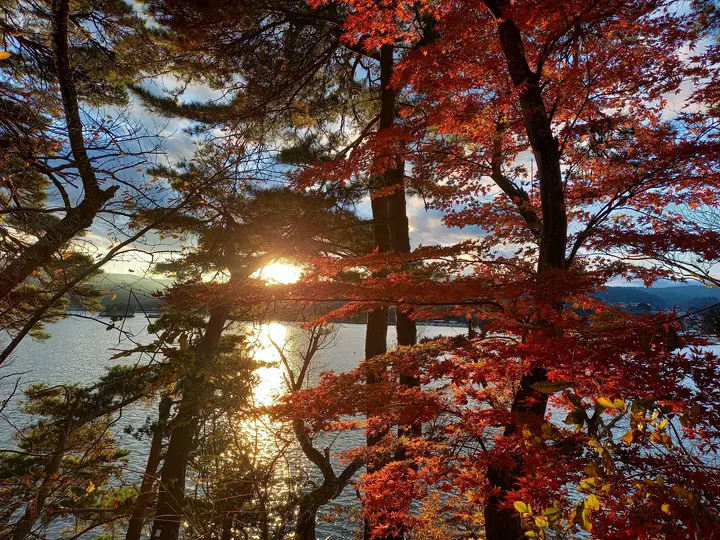
🌸 Best 5 Things to Do in Sendai – Gateway to Tohoku, Japan

🇪🇸 Three Days in Madrid & Toledo: A Perfect Spain Itinerary (with Google Maps)

🚆 Day Trip to Toledo – Spain Itinerary (with Google Maps)
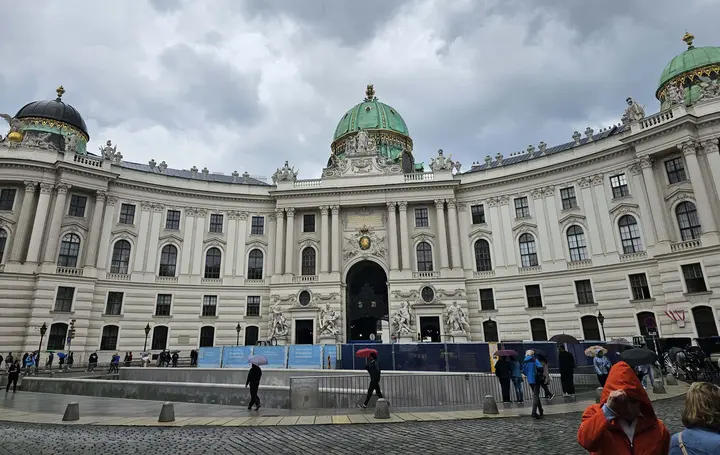
🎼 Three Days in Vienna – A Perfect Itinerary (with Google Maps)