Travel Story
🍀 2 Days in Dublin: The Ultimate First-Time Itinerary for Guinness, Trinity, and Irish History

Sponsored
Ads
"Cead mile failte" means a hundred thousand welcomes, and Dublin has a way of making that feel believable fast. Even on a short trip, the city gives you just enough history, humor, and pub energy to feel like you have landed somewhere with a very strong personality.
This 2 days in Dublin itinerary is built for first-time visitors who want the biggest hits without wasting time on bad routing. It covers Trinity College, the Book of Kells, Dublin Castle, Guinness Storehouse, Kilmainham Gaol, Jameson Distillery Bow St., and Dublin's best-known evening areas, plus practical advice on where to stay, how to get from the airport, and how to make a short trip feel full rather than frantic.
Two days in Dublin is short, but it can absolutely work if you stay central, pre-book the hard-ticket sights, and accept that this trip is about the essentials rather than trying to squeeze in all of Ireland.
Why Visit Dublin?
Dublin is one of the easiest short-break capitals in Europe because it is compact, famous, and full of recognizable experiences that land quickly. You do not need a week to understand the appeal.
- History: Manuscripts, prisons, cathedrals, castles, and revolutionary history all sit within a manageable city core.
- Atmosphere: Dublin feels lively and social in a way that makes short trips especially rewarding.
- Culture: Trinity College, pub music, whiskey, and literary heritage give the city real depth beyond nightlife.
- Food and drink: Guinness, whiskey, soda bread, seafood chowder, and strong pub food are easy to fit into even a quick visit.
- Convenience: Much of the center is walkable, which matters a lot when you only have two days.
- Uniqueness: Dublin feels both capital-city iconic and small enough to navigate without stress.
⏳ Is 2 Days Enough for Dublin?
Yes. 2 days is enough for Dublin if you are a first-time visitor focused on the highlights. You have time for the signature historic sights, one or two major ticketed experiences, and at least one proper Dublin evening.
This pace suits travelers who like:
- Fast-paced city breaks with early starts
- Big-name attractions over deep niche detours
- Walking-heavy days with efficient transport backups
- A trip that feels practical and energetic rather than slow
What two days is not enough for: major day trips outside Dublin, several long museum visits, or a slow pub-and-bookshop stay. But for a quick first look at the best things to do in Dublin, two days is enough to leave impressed.
🌤 Best Time to Visit Dublin
Dublin is not a sunshine-first destination, so the best season depends more on daylight, crowd levels, and hotel prices than on chasing perfect weather.
Best overall: May to June and September
These are the smartest months for most travelers. You usually get milder temperatures, longer daylight, and easier sightseeing than winter, without the same pressure as high summer.
Peak season: July to August
Dublin feels most energetic in summer, but hotels get pricier and major attractions need more advance booking. If you go then, book early and start days early.
Festival period: around St. Patrick's Day in March
Great for atmosphere, bad for crowds and prices. If you want a cleaner first-time trip, other months are easier.
Low season: November to February
Winter can be wet, windy, and dark by late afternoon, but hotel prices are often better outside holiday spikes and Dublin still works well for museums, pubs, and history-focused travel.
For most travelers planning a 2-day Dublin itinerary, I would aim for May, June, or September.
🛏 Top Places to Stay in Dublin
On a two-day trip, the right hotel base matters even more than usual. You want to stay central enough that walking saves you time every morning and every evening.
Quick area advice:
- Best for first-timers: Trinity side, Grafton Street, St. Stephen's Green, or Merrion Square
- Best for nightlife: Temple Bar or nearby, but only if you can handle noise
- Best for value: Smithfield
- Best for a quieter modern stay: Docklands
🚄 Getting from Dublin Airport to the City Center
Most visitors arrive through Dublin Airport (DUB). As of March 14, 2026, there is still no direct rail or metro link from the airport into central Dublin, so coaches, buses, and taxis are the main options.
Train
- No direct airport train: You cannot take rail or Luas directly from the airport into the city center.
Express coach
- Dublin Express: One of the easiest first-timer choices. The operator currently advertises transfers from 14 minutes, though real travel time is usually more like 20 to 35 minutes depending on traffic and stop.
- Aircoach: Aircoach runs 24/7 and currently advertises online fares from EUR 6 one way.
- Best for: Most visitors staying in the central Dublin core.
Public bus
- Operator: Dublin Airport says the TFI network offers frequent and 24-hour airport-to-city bus connections.
- Budget level: Low.
- Reality check: It is cheaper than the express coaches, but slower and less comfortable with luggage.
Taxi or app-booked taxi
- Travel time: Usually about 20 to 40 minutes depending on traffic.
- Price: Dublin Airport's official taxi page currently estimates EUR 30 to EUR 45 to Dublin City.
- Best for: Late arrivals, groups, or travelers with heavy luggage.
Private transfer
- Best for: Travelers who want the easiest possible arrival or are staying somewhere awkward for airport coaches.
- Budget level: Mid-range to high.
Practical tip: if your hotel is central, the express coaches are usually the smartest option.
🚇 Getting Around Dublin
Central Dublin is very walkable, and on a two-day trip that is a huge advantage. The smartest setup is to walk the core and only use transport when it clearly saves time.
- Walking: Best for Trinity, Grafton Street, Temple Bar, Dublin Castle, the cathedrals, and most central sightseeing.
- Luas: Useful for Smithfield and other longer jumps, but not essential for every visitor.
- Buses: Useful, though city traffic means they are not always fast.
- DART: Less important on a city-focused 2-day trip.
- Leap Visitor Card: The official Leap Visitor page currently lists 1-day, 3-day, and 7-day passes for unlimited travel on Dublin Bus, Go-Ahead Dublin City, Luas, DART, and commuter rail in Zone 1.
- Standard Leap card: If you only expect a few rides, the official Leap Card site currently lists the adult TFI 90-minute fare at EUR 2.00.
- Driving: Not recommended for a short Dublin visit. It adds cost and friction for no real benefit.
Practical tip: on a 2-day Dublin trip, a central hotel is worth more than a complicated transport strategy.
✅ Must-Do Activities in Dublin
These are the classic Dublin experiences that consistently stand out for first-time visitors on official sites and Tripadvisor.
🗺 The Itinerary
This plan is built to cover Dublin's biggest hits quickly while still leaving space for the city to feel social and fun.
Day 1: Trinity, Dublin Castle, and a First Night Out
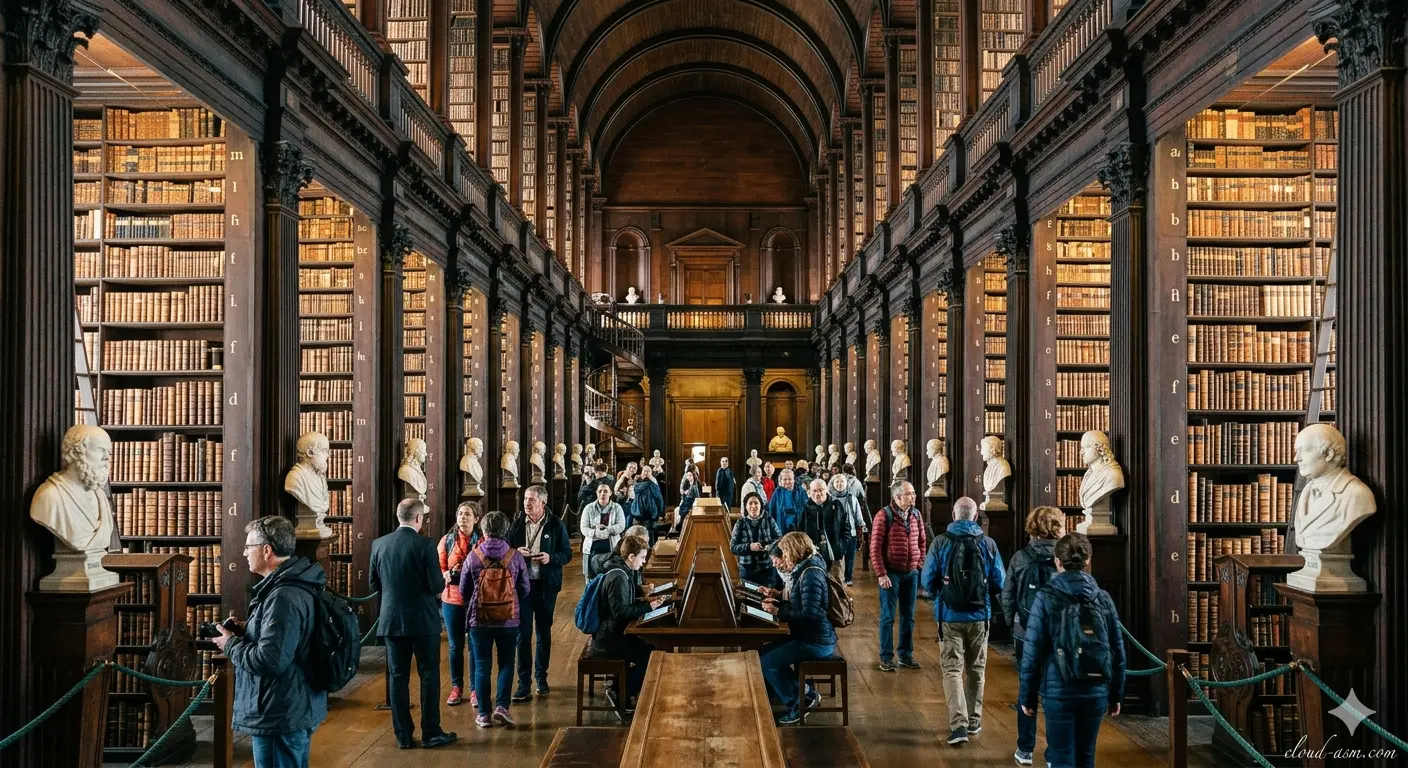
Morning: Start at Trinity College Dublin with the Book of Kells Experience. This is one of the timed attractions most likely to shape your whole day, so it makes sense to do it early. Trinity says online booking is strongly recommended, and that is the right call on a short trip. After the visit, spend a little time on campus instead of rushing straight out.
Afternoon: Walk through Grafton Street, cut across to St. Stephen's Green, and continue toward Dublin Castle and the medieval quarter. This route makes a lot of sense on foot and gives you a compact but strong mix of elegant Dublin and older Dublin. One important 2026 note: Heritage Ireland currently says Dublin Castle will be closed to the public from May 5, 2026 to December 31, 2026 for the EU Presidency. If your trip falls in that window, replace the interior visit with extra time at Chester Beatty or a slower cathedral-quarter wander.
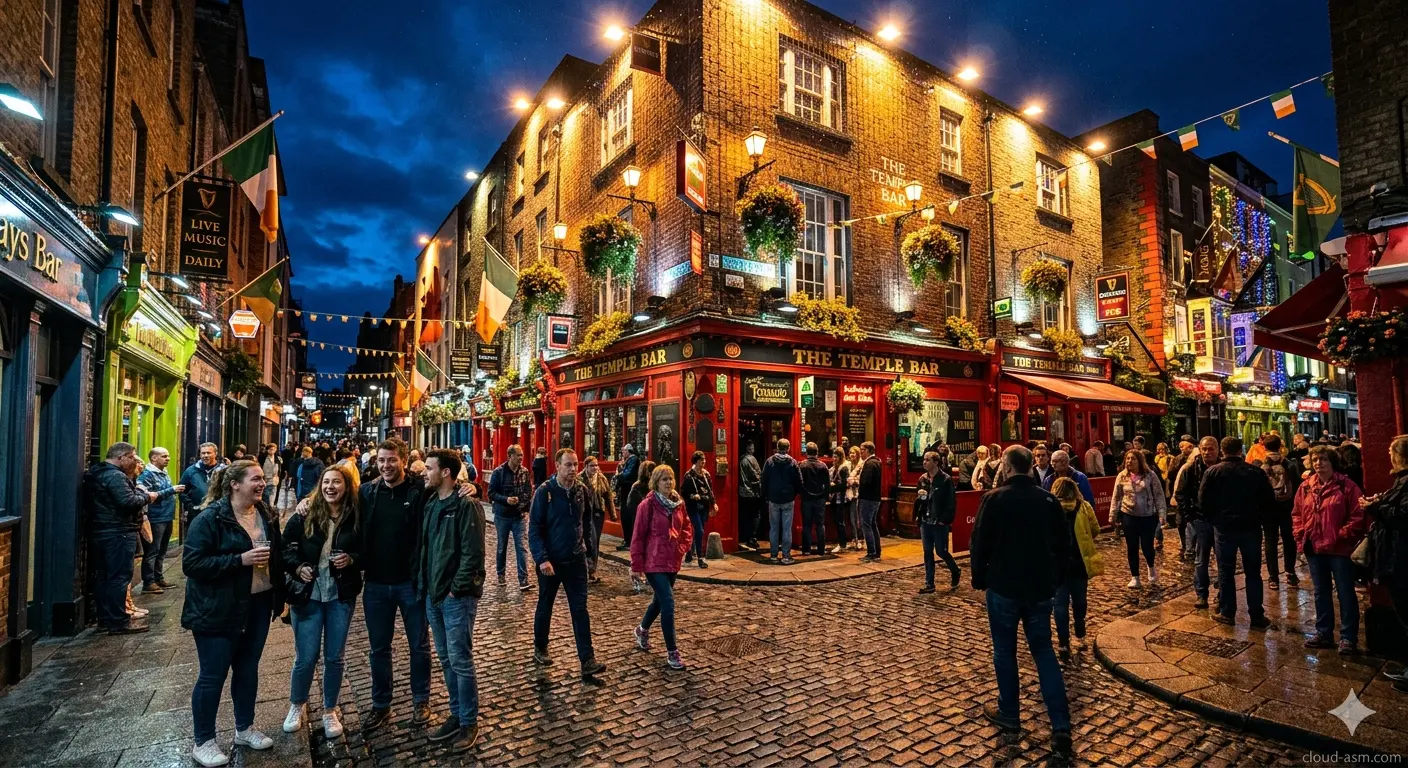
Evening: Head into Temple Bar for your first proper Dublin night. Treat the area as an atmosphere stop rather than the place where every euro must be spent. One drink, some live music, and a look around usually makes more sense than committing your full evening to the most tourist-heavy block in town.
Optional food/photo idea: Photograph Temple Bar after dark, then go for a proper pub dinner nearby.
Practical tip: Keep day one mostly central and walkable. It is the easiest way to get your bearings quickly.
Day 2: Kilmainham, Guinness, Jameson, and a Strong Finish
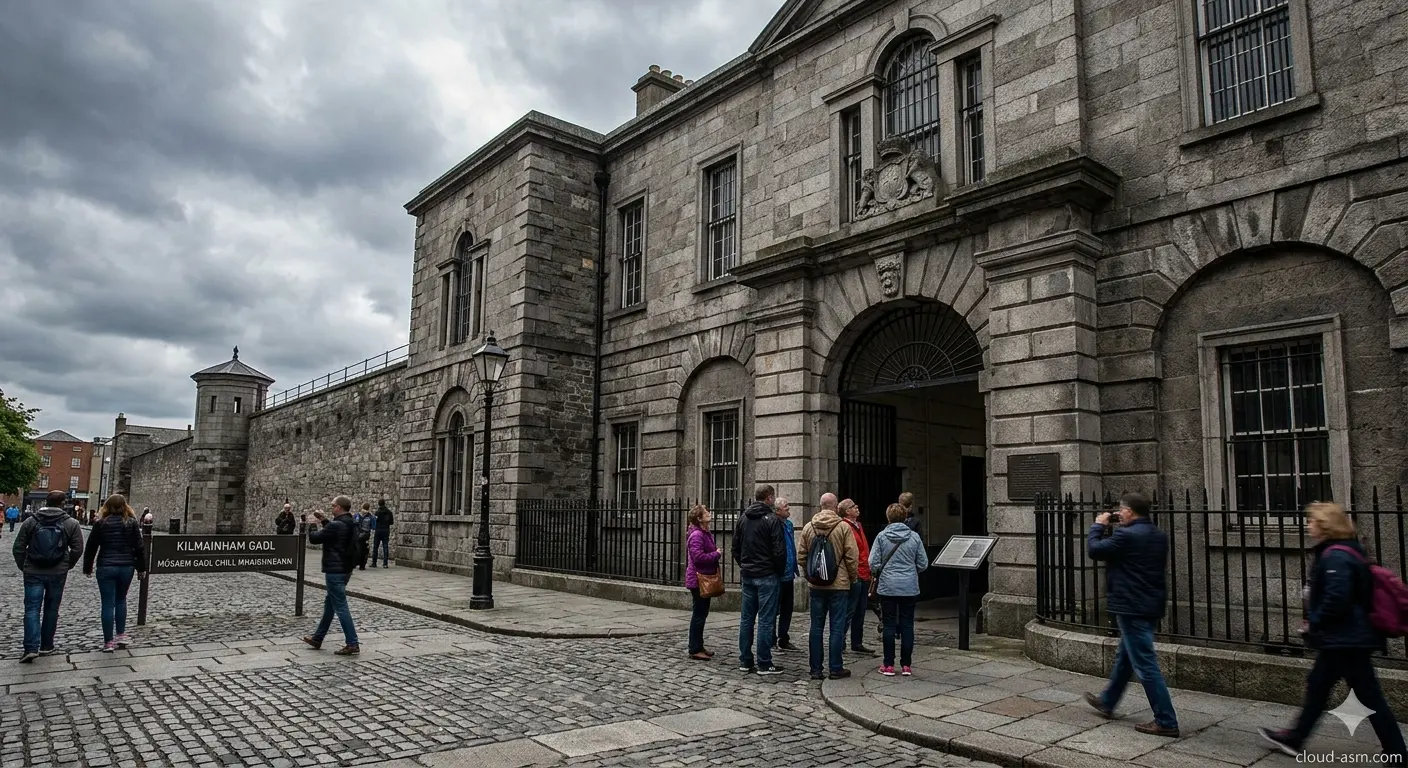
Morning: Start at Kilmainham Gaol. This is one of the hardest tickets in Dublin and one of the most worthwhile. The official site says pre-booking is essential and notes that additional same-day tickets are released online from 9:15am, but relying on those is risky if you only have two days. After the visit, you will understand modern Irish history far better than you would from a casual city walk alone.
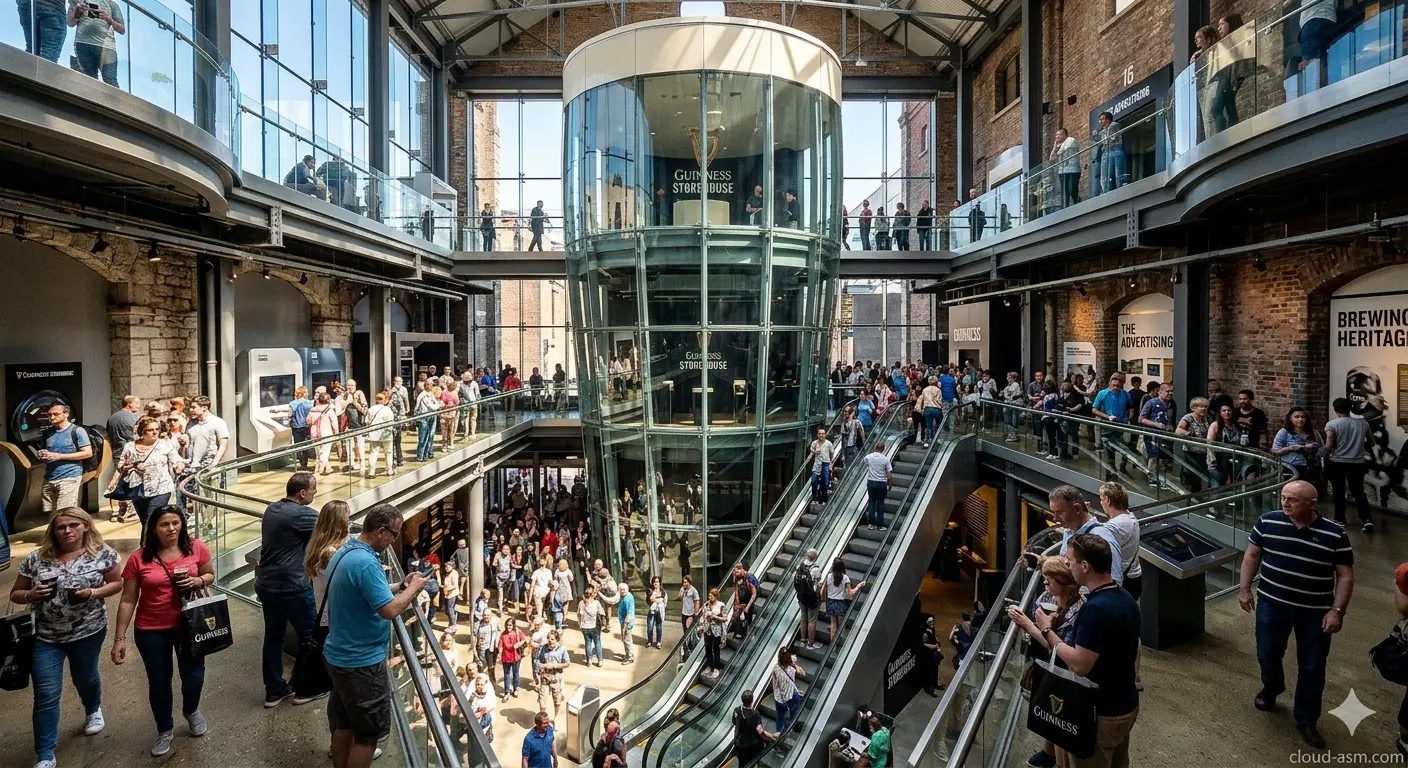
Afternoon: Move to the Guinness Storehouse. It is polished, busy, and unmistakably mainstream, but it earns its place on a first trip because it is fun, well-run, and still very tied to Dublin's identity. If you still have time and energy afterward, continue to Jameson Distillery Bow St. in Smithfield for a different drink experience and a livelier guided format.
Evening: End the trip around Smithfield, Capel Street, or back in the center. The smartest finale is not another museum. It is giving yourself one more good Dublin evening now that the city feels familiar.
Optional food/photo idea: If the weather is good, use the Gravity Bar for skyline photos before dinner.
Practical tip: If you cannot get a Kilmainham ticket, swap in EPIC or the National Museum of Ireland - Archaeology and keep the rest of the day intact.
Best Local Foods to Try in Dublin
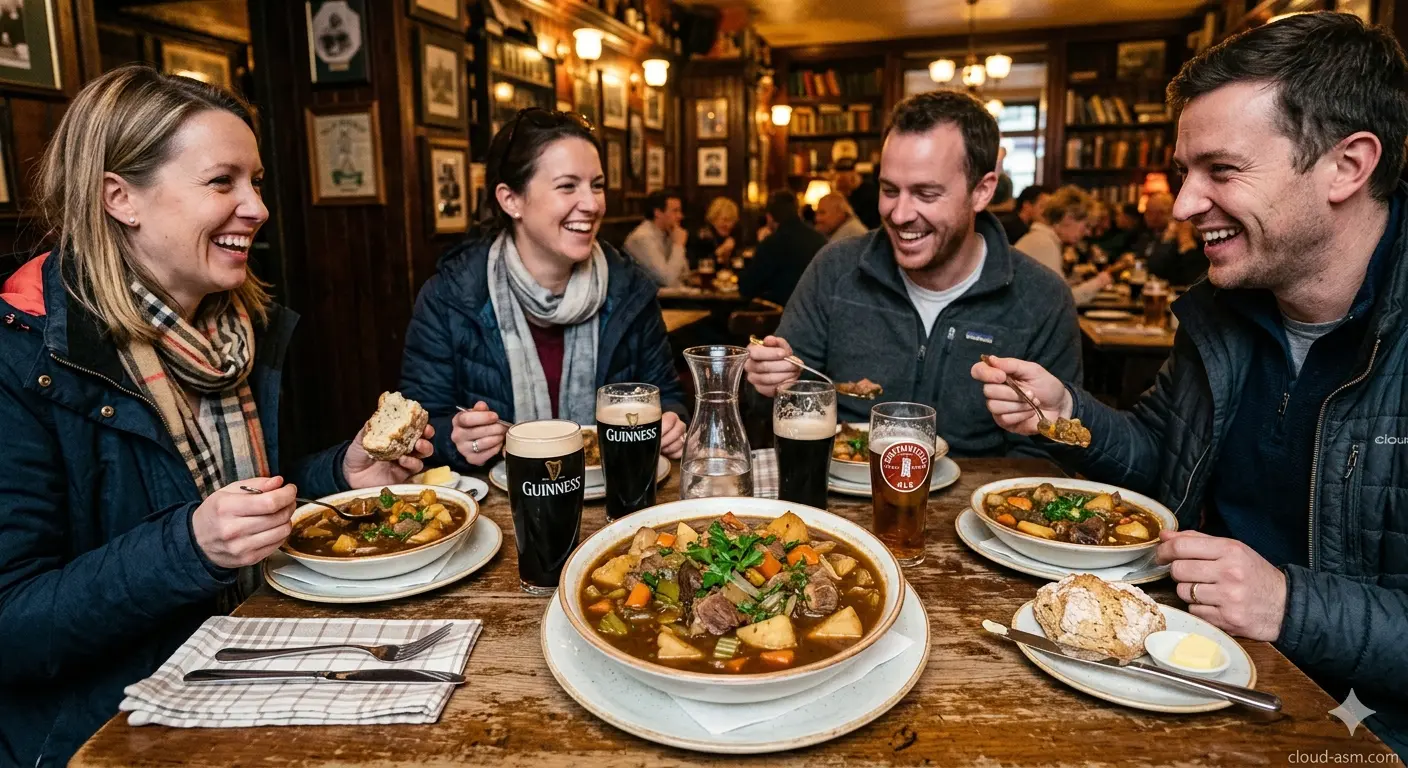
- Irish stew: A classic and easy first-timer choice
- Seafood chowder: One of the most reliable Irish comfort dishes
- Coddle: A genuinely Dublin dish if you want something specifically local
- Boxty: A potato-based classic worth trying once
- Soda bread: Simple, essential, and part of the everyday food identity
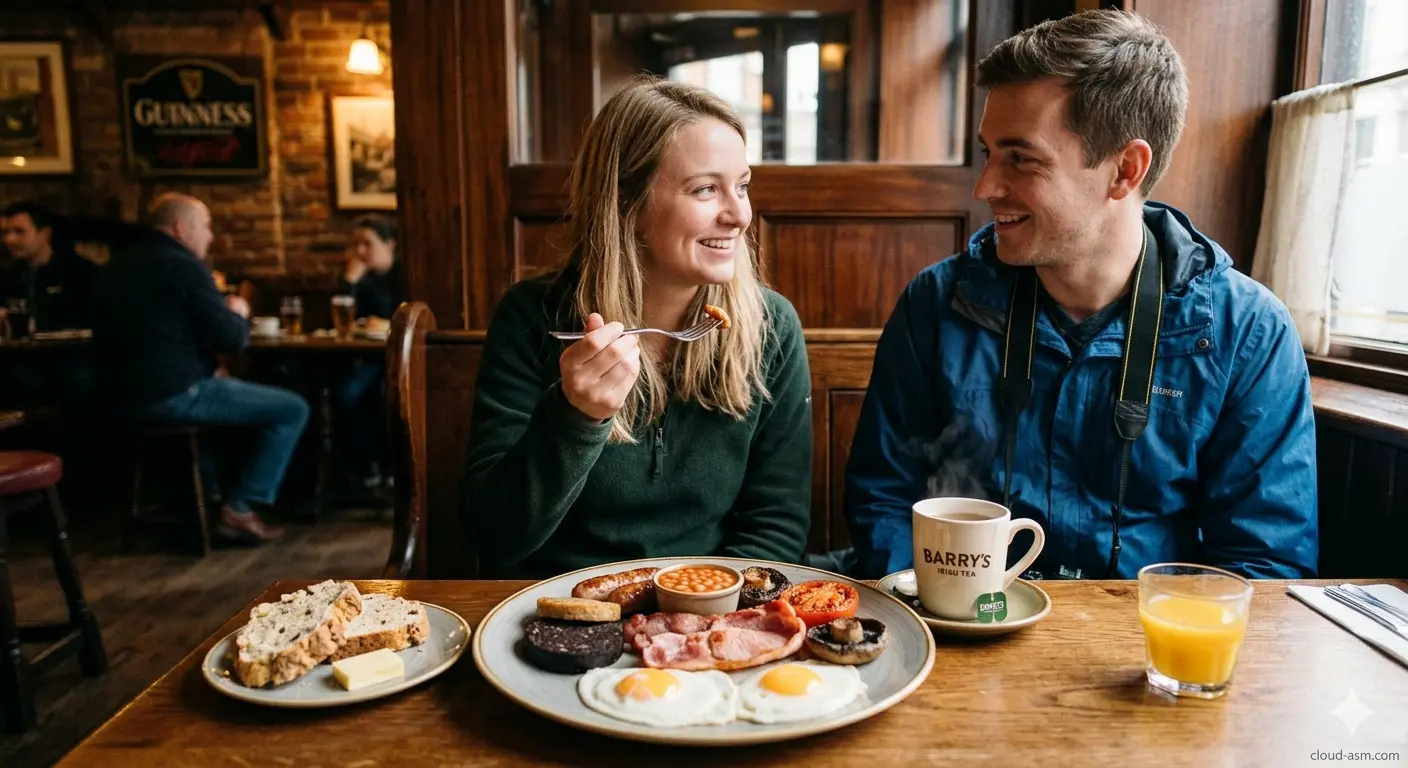
- Full Irish breakfast: Very useful fuel for a packed sightseeing day
- Oysters or mussels: Good choice if you want fresher flavors
- Guinness cake or whiskey dessert: Easy themed finish to a meal
Estimated Daily Budget for Dublin
Dublin is not especially cheap, especially for central hotels and nightlife. These are broad planning ranges only.
- Budget-conscious: about EUR 110 to EUR 170 per person per day with a simple room, casual food, and public transport
- Mid-range: about EUR 200 to EUR 320 per person per day with a good hotel, a few paid sights, and proper dinners
- Splurge: EUR 400+ per person per day once you add luxury hotels, premium tastings, and better dining
Typical daily costs might include:
- Transport: roughly EUR 8 to EUR 30 depending on airport transfer and local rides
- Food: roughly EUR 30 to EUR 100+ depending on pub meals versus nicer restaurants
- Attractions: roughly EUR 20 to EUR 100+ on days with the Book of Kells, Guinness, Jameson, or Kilmainham
Best Photo Spots in Dublin
- Temple Bar streets: Best for color and nightlife atmosphere
- Trinity College campus: Great for architecture and classic Dublin mood
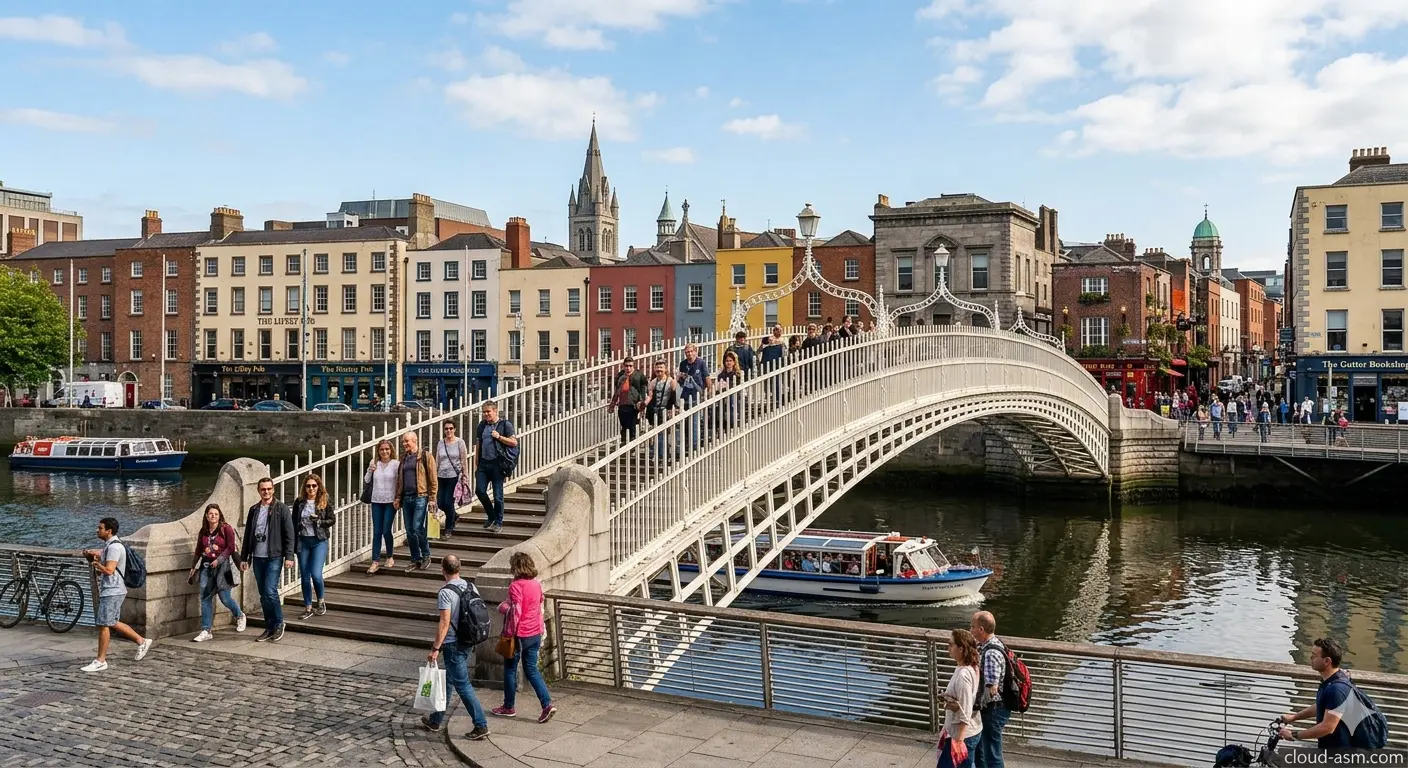
- Ha'penny Bridge and the River Liffey: One of the most recognizable city-center views
- St. Stephen's Green and the Georgian quarter: Better for a calmer and more elegant side of the city
- Gravity Bar at Guinness Storehouse: Best skyline view
- Dublin Castle and the cathedral quarter: Strong for layered historic scenes
What to Book in Advance
- Kilmainham Gaol: Essential
- The Book of Kells Experience: Timed entry and very popular
- Guinness Storehouse: Especially in summer and on weekends
- Jameson Distillery Bow St.: If you want it, lock it in
- Central hotel: Important on such a short trip
- Airport transfer plan: At least know whether you want coach or taxi before landing
Common Mistakes Tourists Make in Dublin
- Staying in Temple Bar without thinking about sleep
- Failing to pre-book Kilmainham Gaol
- Assuming Dublin Airport has a train link
- Trying to do every drinks experience in one short trip
- Underestimating hotel and nightlife costs
- Packing for sunshine instead of changeable weather
- Eating every meal in the most obvious tourist zone
- Trying to cram a major Ireland day trip into a 2-day city break
⚠ Tips for Dublin
- Pack layers and a rain jacket: This matters even in good months.
- Stay central if you can: It saves a lot of time on a 2-day trip.
- Do not count on Temple Bar for value: Go for atmosphere.
- Book the hard-ticket attractions early: Especially Kilmainham and the Book of Kells.
- Walk more than you think: Dublin rewards it.
- Keep some budget for evenings: The city comes alive after dark.
- Check Dublin Castle access if traveling after May 5, 2026: Heritage Ireland says it will be closed to the public through December 31, 2026.
- Use taxis strategically: They are best for saving time late in the day.
FAQ: Dublin Itinerary Questions First-Time Visitors Ask
Is 2 days enough for Dublin for first-time visitors?
Yes. Two days is enough to cover Dublin's biggest highlights, including Trinity College, Guinness Storehouse, Kilmainham Gaol, and one or two strong evening areas.
What is the best area to stay in Dublin for a 2-day trip?
For most first-timers, the best areas are around Trinity, Grafton Street, St. Stephen's Green, Merrion Square, or Smithfield.
Do I need a car in Dublin?
No. For a short Dublin city break, a car is more trouble than help. Walking, buses, Luas, and taxis are enough.
Is Dublin expensive?
Yes, it can be, especially for hotels and nightlife, but you can manage it with a central base and a clear booking plan.
Should I stay in Temple Bar?
Only if nightlife matters more to you than sleep. For many travelers, it is better as an evening visit than a hotel base.
What should I book first in Dublin?
Start with Kilmainham Gaol, then the Book of Kells, Guinness Storehouse, and your hotel.
Final Thoughts
Dublin is a very good short-break city because the essentials land quickly. The big sights are close enough together to make a two-day first trip feel genuinely full, and the evenings give the city a personality that stays with you.
If you want 2 days in Dublin to feel practical, famous, and exciting without becoming a mess, this route is a strong place to start. Go for the manuscripts, stout, prison history, and music, and leave knowing Dublin is much more than a pub stereotype.
dublinireland